|
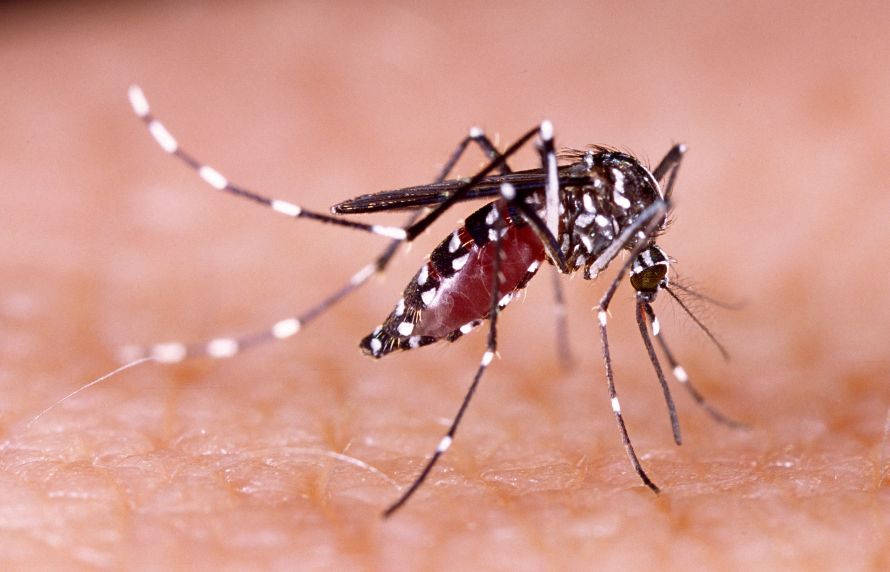
Cyanobacteria are prokaryotic microorganisms, many types of which develop in both freshwater and sea water. These microorganisms develop quickly and can lead to the appearance of foam on the water surface. A large number of strains may produce toxins, mainly intracellular, released into the environment in the event of cell breakage. These toxins are grouped into 3 families depending on their toxic effect and structure: hepatotoxins (microcystins, nodulatins, cylindrospermopsins), neurotoxins (anatoxins, saxitoxins, methylamino-L-alanine), and irritant toxins identified in sea water (aplysiatoxins, debromoaplysiatoxins, lyngbyatoxin-a). There are a very large number of toxins in each family: today there are over 70 different types of microcystins for example. p> |
![]() |
p>

The Directorate General for Health (DGS) and Directorate for Economic Studies and Environmental Evaluation (D4E) made a solicited request to the French Agency for Environmental Health Safety (Afsse) dated 30 March 2004.
This solicited request required an assessment to be carried out on the human risks associated with cyanobacteria and cyanotoxins in freshwater for recreational use. The latest scientific knowledge on this subject and data collected throughout France had to be integrated with a view to recommending quality limit values in terms of the number of cyanobacteria and tolerable limit concentration of cyanotoxins for recreational water sites.
Working method:
In the absence of a competent Committee of Specialised Experts (CSE) in Water and/or biological agents, the collegial expert assessment was conducted with an ad hoc group set up in October 2004 composed of experts from different public institutions: universities, CNRS, Inra, ENSP, Afssa and several DDASSs. The experts are also working closely with experts from the Afssa working group on cyanobacteria - cyanotoxins in drinking water. The agencies, in agreement with the experts from both working groups, decided to draw up a joint report.
p>
People may end up swallowing contaminated water accidentally while bathing or practising other aquatic activities.
In France, the Directorate General for Health has had a monitoring plan in place since 2004 and recommends banning bathing and restricting certain water sports when foam is visible or when the concentration of microcystins exceeds 25 µg/L. A limit of 100,000 cyanobacteria/ml should prompt a search for and assay of toxins. The data collected on water used for recreational purposes come mainly from this health monitoring system, but they do not allow for the exposure of the general population and workers in this sector to be calculated. As a result, a theoretical approach has been developed by Afsset experts to recommend quality limit values in terms of cell abundance and toxin concentration in recreational water sites. This approach uses maximalist hypotheses and considerations made on the basis of their knowledge and experience in the field on the one hand and, on considerations and hypotheses adopted by three international institutions to estimate the quality limit values for bathing water on the other (World Health Organization [WHO], the Institut National de Santé Publique du Québec [INSPQ] and the Australian National Health and Medical Research Council [NHMRC]).
p>
Currently in the final stages, this report will be published by the end of 2006. 
Cyanobacteria develop mainly in eutrophied water, which is rich in phosphorus and also contains nitrogen with low oxygenation (particularly true for standing water). On the basis of current knowledge, proliferations are difficult to predict. Nevertheless, knowledge of site characteristics and records of previous proliferations can help prioritise plans and water sites with regard to rheir vulnerability.
Even though methods exist for detecting and quantifying cyanotoxins, the main disadvantage still concerns the absence of standards by which assays may be compared between laboratories.
Microcystin-LR is the only toxin to have been the subject of robust toxicological studies. Although sparse, the data have enabled a Tolerable Daily Intake for chronic exposure of 0.04 µg/kg/day to be established by WHO experts and a Tolerable Daily Intake for sub-chronic exposure of 0.4 µg/kg/day by INSPQ experts.
p>
In France, virtually all data concerning cyanobacteria and cyanotoxin contamination levels in freshwater come from the health monitoring system.
The statistical analysis of the data (integrated into a joint Afsset-Afssa database) revealed that, for bathing water:
the data distribution throughout France is uniform with an absence in Eastern France and the overseas départements and territories;
the data are also distributed evenly over time and results concern mainly the months from July to September;
the amount of data collected at bathing or water sports' sites between 2002 and 2004 totalled 2,680 samples;
the sub-sample of samples (500 samples) for which there is a result for microcystin array is biased compared with the total sample as regards the abundance of cyanobacterial cells as toxins are only looked for when the cell number is higher than or equal to 100,000 cells/mL;
the data entered to date in the Afsset-Afssa database are inadequate for an estimation of the exposure of the French population to microcystins through bathing water, and the share that it represents in comparison with the total intake from drinking water.
As a result, the approach used by the experts from the Afsset working group to establish the quality limit values in terms of the number of cyanobacteria and tolerable limit concentration of cyanotoxins for recreational water sites and the values recommended are discussed in chapter VII: "population exposure and risk assessment, 1- bathing water" of the joint report produced by the Afsset and Afssa working groups called "Report on the assessment of risks associated with the presence of cyanobacteria and their toxins in water", which was published at the end of the first half of 2006.
p>