


Temps de lecture : 0 mins
Confusion entre colchique et ail des ours : des intoxications parfois mortelles
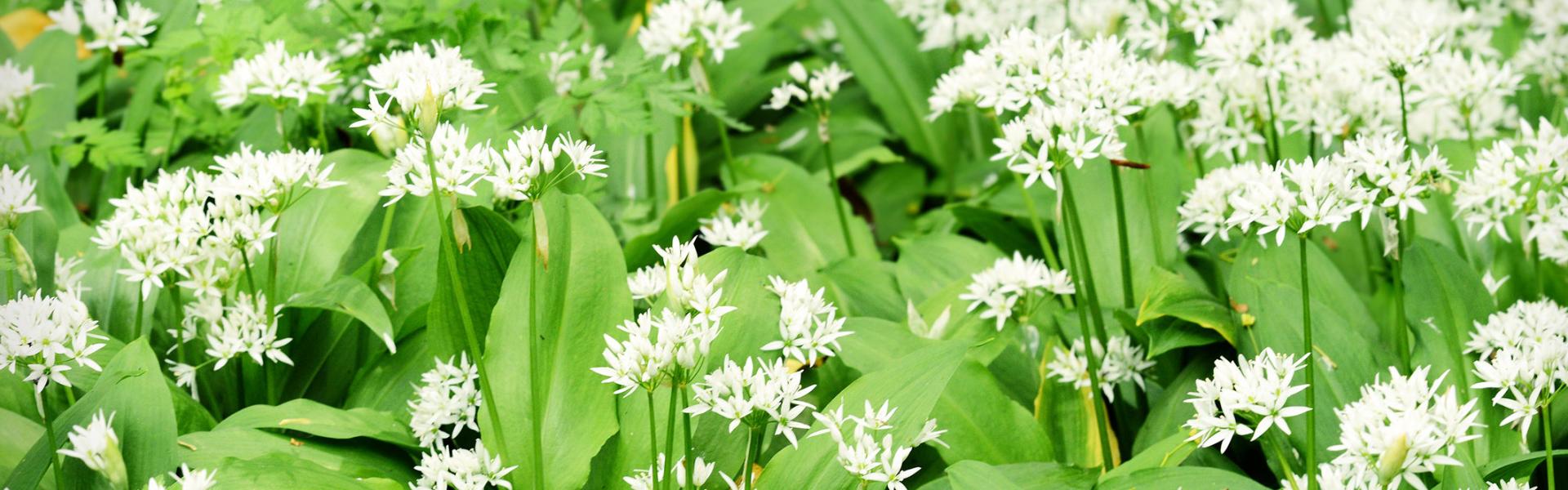
Confusion entre colchique et ail des ours : des intoxications parfois mortelles
Nos actualités



Agenda

Focus sur
Nos portails

Vie de l'Agence
Santé et environnement
Les principes fondamentaux des vigilances de l’Anses
L’Anses coordonne sept dispositifs de vigilance qui permettent d’identifier des effets indésirables provoqués par plusieurs types de produits et d’aliments. Sur quels principes fondamentaux repose cette mission de l’Agence ? En quoi consistent les nouvelles vigilances sur les produits cosmétiques et tatouages ? Quelles sont les perspectives pour ces dispositifs ? Juliette Bloch, directrice des alertes et des vigilances sanitaires répond à nos questions.
Santé des végétaux
Nouveau partenariat entre l’Anses et l’Agence croate pour l’agriculture et l’alimentation
Ce 1 er mars 2024, l’Anses a signé un premier partenariat de coopération avec l’Agence croate pour l’agriculture et l’alimentation (HAPIH). Les deux agences œuvrent dans plusieurs thématiques communes, en lien avec la santé des animaux et des végétaux et la sécurité sanitaire des aliments.
Santé et bien-être des animaux
L’Anses et GDS France renouvellent leur collaboration de plus de 10 ans au service de la santé publique vétérinaire
Benoit Vallet, Directeur général de l’Anses, et Christophe Moulin, Président de la Fédération Nationale des Groupements de Défense Sanitaire (GDS France), ont signé ce jour le renouvellement de leur convention cadre de partenariat afin de renforcer la prévention, la surveillance et la lutte contre certaines maladies animales à fort impact pour les élevages français.
Notre programme de travail pour 2024
Le nouveau programme de travail de l'Anses met en perspective les principales activités de l’Agence pour 2024, à la lumière des orientations stratégiques dans les cinq grands domaines d'action de l’Anses : alimentation, santé et bien-être animal, santé et environnement, santé des végétaux et santé et travail. Discuté avec le conseil scientifique international et le conseil d’administration de l’Agence, il permet à la fois d’assurer la poursuite et de faire évoluer les activités de l’Anses, en appui à l’action publique.